
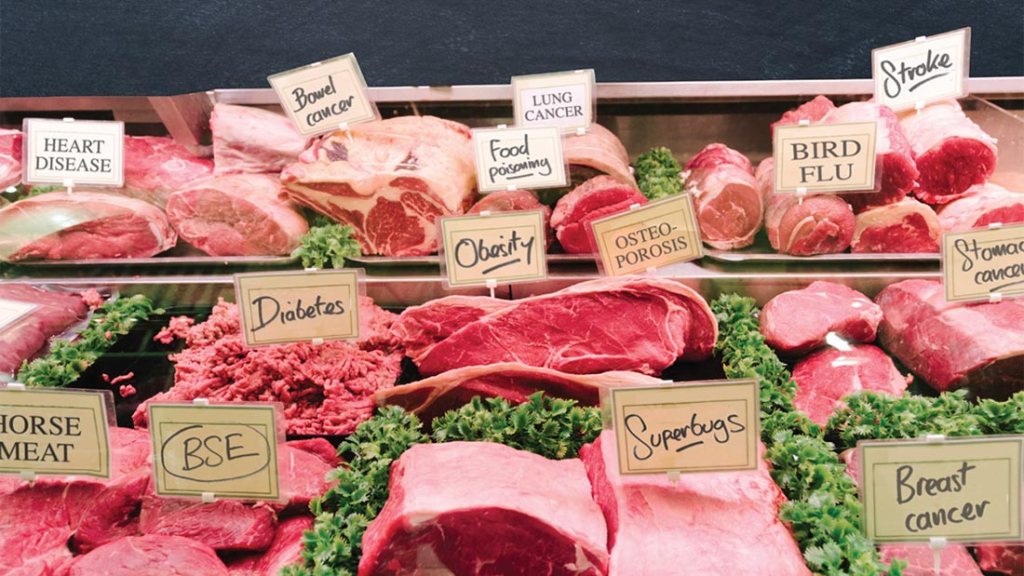
We all wish to age gracefully and attain the highest quality of life while alive! So, why take chances with our health?
While transitioning to whole foods and a plant-based diet, I discovered the adverse effects of consuming meat on human health. In this blog, I aim to summarize the scientific evidence supporting this. I hope to reveal the knowledge behind the pandemic of chronic diseases in our society and what we need to consider to address it in our collective health.
The discussion around the harmful effects of meat consumption on human health involves several scientific aspects laid out below.
Carcinogenic Compounds: When meat, especially red and processed meats, is cooked at high temperatures, it can form heterocyclic amines (HCAs) and polycyclic aromatic hydrocarbons (PAHs). These compounds are mutagenic, meaning they can cause changes in DNA that may increase the risk of cancer. For instance, research has linked the consumption of well-done, fried, or barbecued meats with increased risks of colorectal, pancreatic, and prostate cancers.
Nitrates and Nitrites: Processed meats (like bacon, ham, sausages) contain preservatives like nitrates and nitrites, which can convert into nitrosamines in the body. Nitrosamines are known carcinogens, associated with an increased risk of stomach and colorectal cancer. While these compounds also occur in vegetables, the context in meat, combined with heme iron can enhance their carcinogenic potential.
Heme Iron: Found predominantly in red meat, heme iron contributes to the formation of carcinogenic N-nitroso compounds in the gut. Additionally, excessive iron can lead to oxidative stress and inflammation, potentially contributing to chronic diseases.
Saturated Fat and Cholesterol: Meat, particularly red meat, contains high levels of saturated fats and cholesterol. High intake of these can lead to increased blood cholesterol levels, thereby heightening the risk of cardiovascular diseases. Although the relationship between dietary cholesterol and blood cholesterol has been debated, current science suggests that saturated fats can raise LDL (bad) cholesterol, contributing to atherosclerosis.
Cardiovascular and Metabolic Effects: Large cohort studies and meta-analyses have shown that high consumption of red meat, especially processed meat, is associated with an increased risk of cardiovascular disease, stroke, and type 2 diabetes. This could be due to a combination of factors like high salt content in processed meats, heme iron, and the aforementioned saturated fats.
Gut Microbiome Alterations: Recent research suggests that the type of meat consumed can influence the gut microbiome. For instance, diets high in red meat might promote the growth of bacteria that produce compounds like trimethylamine N-oxide (TMAO), linked to cardiovascular disease.
Inflammation: Chronic consumption of meat, especially when cooked at high temperatures, might contribute to inflammation. Chronic inflammation is a root cause of many diseases, including cancers, heart diseases, and autoimmune disorders.
Environmental Pollutants: Meat can also be a vector for environmental pollutants like dioxins and PCBs if the animals have been exposed to contaminated environments. These toxins accumulate in fat tissues and can have various detrimental health effects over time.
However, it’s worth mentioning:
Nutritional Benefits: Meat is a dense source of nutrients, including complete proteins, vitamins like B12, and minerals like iron and zinc, which are crucial for health. The harm often comes from excessive consumption of specific types like processed meats.
Dietary Context: The harm from meat consumption can be moderated by overall diet. Diets high in fruits, vegetables, and fiber can mitigate some negative effects of meat consumption through various mechanisms, including antioxidant activity and beneficial gut bacteria promotion.
Individual Variability: Genetic differences, lifestyle, and overall diet can influence how meat consumption affects health. Some populations have adapted to high-meat diets with seemingly fewer adverse effects.
Misinformation and Complexity: There’s considerable debate and sometimes misinformation regarding meat’s health impacts. For instance, not all studies agree on the magnitude of risk increase, suggesting that other lifestyle factors might interplay with meat consumption.
In conclusion, it is important to reduce or ideally eliminate meat, especially processed meats, from our diet to prevent their harmful effects and reduce susceptibility to chronic diseases. It is however important to consume a variety of fruits, vegetables, legumes, and grains to ensure we get the necessary nutrients for our bodies.
Dear reader, If you wish to make a small donation so I can improve this blog and add more value, I would be very obliged. thanks!
Make a one-time donation
Make a monthly donation
Make a yearly donation
Choose an amount
Or enter a custom amount
Your contribution is appreciated.
Your contribution is appreciated.
Your contribution is appreciated.
DonateDonate monthlyDonate yearlyInterested in Instant Pot for ease of cooking? Here’s a shortcut link:
https://amzn.to/4bPpTLFReplacement omega 3 pills for vegans:
https://amzn.to/3Vvpw3mAmazon e-Gift cards:
https://amzn.to/3yMcENnB12 Supplements for vegans:
https://amzn.to/4aRcguj Power Plants